Help & Support
Frequently Asked Questions
Answers to the questions Kerala homes and businesses ask most about going solar - savings, subsidy, KSEB net metering and more.
Can I pay in EMIs or get a loan to install solar?
Yes. Solar loans are available from several banks and NBFCs, and PM Surya Ghar offers low-interest financing for residential systems. Many customers pay part upfront and the rest as EMIs that are often close to their earlier electricity bill. We can guide you through the financing options.
Is my roof suitable - RCC, tiled or sheet?
Solar can be installed on most Kerala rooftops - RCC (concrete) terraces, sloped tiled roofs, and metal or sheet roofs - using the right mounting structure for each. The main requirements are a shadow-free area and a structurally sound roof. We assess suitability, orientation and shading during a free site visit.
How long do solar panels and inverters last?
Quality solar panels typically carry 25-year performance warranties and keep generating well beyond that. Inverters generally last around 8-12 years and may need one replacement during the system's life. We use reliable, warrantied equipment from trusted brands.
How much maintenance do solar panels need in Kerala's climate?
Very little. Panels mainly need periodic cleaning - more important in Kerala, where the monsoon leaves dust, algae or leaf debris - along with occasional checks of the wiring and inverter. We offer maintenance support and performance monitoring so your system keeps generating at its best.
Do solar panels work during the monsoon and on cloudy days?
Yes, but at reduced output - panels run on daylight rather than direct sun, so they still generate on overcast days, just less. Systems are sized to account for lower monsoon generation across the year, and net metering or battery backup covers the shortfall.
What is the payback period for solar in Kerala?
For a subsidised residential on-grid system in Kerala, payback is typically around 4-6 years. After that the electricity is essentially free for the panels' remaining life. The exact payback depends on your consumption, tariff slab, system cost and subsidy.
How much can I save on my KSEB electricity bill?
Savings depend on your system size and consumption, but a correctly sized system can offset a large part of your monthly bill - often most of it - especially by cutting down the higher telescopic tariff slabs. We size the system around your past KSEB bills to maximise savings.
Will my solar system work during a KSEB power cut?
A standard on-grid system automatically shuts off during a grid outage for safety (anti-islanding), so it will not power your home during a cut. If backup during outages matters to you - common during Kerala's monsoon - a hybrid system with batteries keeps your essential loads running.
On-grid, off-grid or hybrid - which system suits Kerala?
On-grid with net metering is the most popular and economical choice for homes with a reliable KSEB connection and no backup need. Hybrid adds battery backup for areas with frequent monsoon-season outages, while off-grid suits remote locations without a dependable grid. We recommend the right type after understanding your usage and backup needs.
How do I apply for a rooftop solar connection with KSEB?
Registration is done through the national PM Surya Ghar portal and KSEB's rooftop process: apply, get technical feasibility approval from KSEB, install through an empanelled vendor, pass inspection, get the net meter fitted, and commission the system. We manage the entire application, approvals and liaison with KSEB on your behalf.
What subsidy can I get for a home solar system?
Under the Central Government's PM Surya Ghar: Muft Bijli Yojana, residential rooftop systems receive a subsidy of Rs 30,000 per kW for the first 2 kW and Rs 18,000 for the 3rd kW - up to Rs 78,000 for a 3 kW system. The subsidy applies only to approved vendors and equipment, and we handle the full application and paperwork (amounts and eligibility follow current MNRE norms).
What is net metering and how does it work with KSEB?
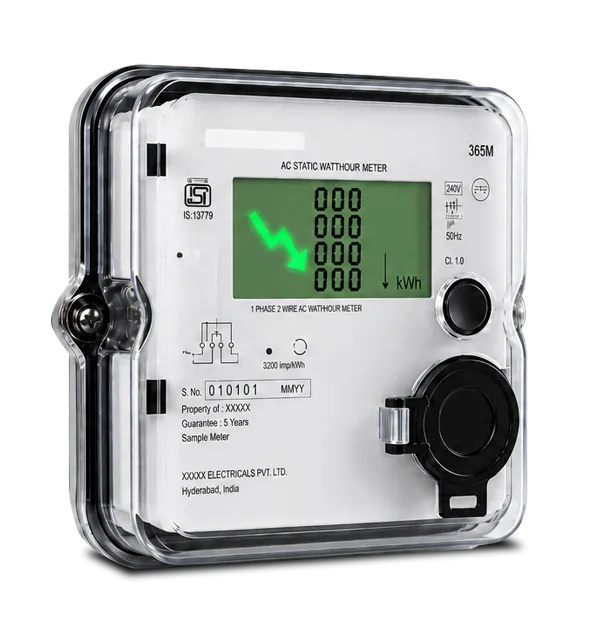
With net metering, a bi-directional meter records the solar power you export to the grid and the power you draw from it, so you are billed only for the "net" units consumed. Eligible surplus is adjusted as per KSEB's current net-metering regulations, letting your daytime solar offset your overall monthly consumption.
How many units (kWh) will a solar system generate in Kerala?
On average, 1 kW of rooftop solar generates roughly 4 units a day in Kerala - about 1,400-1,500 units a year - though this varies with location, orientation, shading and season. A 3 kW system therefore produces around 350-400 units a month on average.
How much rooftop area do I need for a solar system?
As a rule of thumb, about 80-100 sq ft (roughly 8-10 sq m) of shadow-free roof per 1 kW. A typical 3 kW home system needs around 250-300 sq ft. We confirm the exact requirement during a free site visit based on your roof type and shading.
Is solar power worth it in Kerala despite the heavy monsoon?
Yes. Kerala gets strong sunlight for most of the year, and a well-designed system generates enough across 12 months to cut your KSEB bill significantly. The June-September monsoon produces less, but the higher output in the drier months balances the annual generation.
Ready to start
your solar journey?
Get a personalized consultation and a detailed project plan tailored for your home or business.